What happens when a person’s original will cannot be found and therefore proved in court? What constitutes non-production of a will? When will a trust be terminated? All of these questions are answered in the case In re Estate of Catlin. Probate Case In re Estate of Catlin, 311 S.W.3d 697 (Tex. App. 2010). Facts […]
What’s the Difference Between an Estate Plan and a Living Trust? If you’re planning for the future of your estate, you may be wondering what the difference is between an estate plan and a living trust. Some people believe they are the same thing. But the truth is they aren’t. There is a significant difference […]
You might think that as long as you have a will, your estate will be distributed the way you want it to be. But if you don’t have a valid will in Texas, your estate will be distributed according to the laws of intestacy. It’s established law in Texas that valid will must be In writing, signed by a testator in person, and signed by at least two witnesses in the presence of the testator who are both over the age of 14. But what does it mean to “sign” a will? A new Texas case holds that simply initialing the will could be good enough to meet the execution requirement.
Legal Terminology: Attested Will
Attested will: requires the signature of the testator and the signature of two or more witnesses who are not beneficiaries of the will.
Probate Law Case
Jones v. Jones (Tex. App.—Houston [1st Dist.] March 29, 2022, no pet. history).
Facts & Procedural History: Holographic (Written or Handwritten) Wills
Decedent’s wife (Beneficiary) filed an application for probate of an attested will, which was contested by Decedent’s son from a previous marriage (Contestant). The trial court denied Testator’s application, declaring that the will lacked Decedent’s signature and that the statements from the witnesses regarding their viewing of the signing could not be correct.
Beneficiary appealed, and the Court of Appeals held that there was sufficient evidence to establish testamentary intent through (1) the presence of his initials on six pages of the will and (2) the statements made by the witnesses. The lack of a signature on the last page alone did not invalidate the will. The Court of Appeals referenced Texas case law suggesting that a signature on a will could be relatively informal (including initials) if testamentary intent was present. This intent could be inferred through the facts and circumstances surrounding the execution of the will.
Main Considerations
What is required for writing a valid will or codicil in Texas?
Except as otherwise provided by law, a valid will must be: (1) In writing; (2) signed by a testator in person; and (3) signed by at least two witnesses in the presence of the testator who are both over the age of 14.
The Takeaway: What Does “Signed” Mean?
Jones v. Jones shows that, as long as there is testamentary intent present, initials may constitute a signature for the purposes of a will.
Do You Need to Hire a Lawyer to Probate a Will In Austin?
Do you need help with a probate matter in Austin-metro area or the surrounding communities? We are experienced probate attorneys who represent clients with sensitive probate matters. If so, please give us a call us at 512-273-7444 or use the contact form to the right (–>) to see how we can help.
A valid Texas will must be: (1) written; (2) signed in person by the testator; and (3) signed by at least two witnesses in the presence of the testator who are both over the age of 14.
Is a handwritten will legal?
A handwritten will is only legal if it meets the requirements of the Texas Estates Code. If the will does not meet these requirements, it may be declared invalid by a court. If any part of a holographic will is not in the handwriting of the testator, or if there is no indication of when it was executed, then it may be declared invalid by a court.
What are the three conditions to make a will valid?
A will must be written and signed by the testator (the person making the will). Under Texas law, a will is not valid unless it was signed at the end of the document by the testator in what is called “testamentary capacity.” To have testamentary capacity, a person must: – understand that they are making a will – know the nature and extent of their property – know who their natural heirs are – understand how distributing their property will affect said heirs.
The will must be signed by two persons who witnessed and signed the will in the presence of the testator. A will can be revoked only if it is done in writing and signed by the testator at the end of the document or after another provision or clause.
If any of these elements are missing, then the court may find that the will is invalid.
What happens if you lost original will?
In general, if you lost your original will, you can execute a new will to replace it. However, when you execute a replacement will, there are a few important rules that you must follow. For more detailed information, please contact our probate attorneys.
How to file a will in Texas?
After a decedent’s will has been filed with the Court the Clerk of the Court should then publish a notice advising all interested parties that the Will has been filed. The notice must remain posted for at least 10 days. This is to give those who wish to contest a will time do so. If no one contests the will, the courts will move forward with confirming its validity.
Probate Terms A probate case is a legal proceeding to administer the estate of a person who has died. There are common terms in probate cases that you should know. In this article, we will define some of these terms. The following is a list of the most commonly used terms in probate cases: Administrator […]
This article is for people who want to know more about settling an estate in probate. Is settling an estate in probate difficult? When a person dies, the deceased’s assets are handed off to whomever is listed in the will. If there is no will, however, then the estate becomes part of probate court. If you are the only heir and there isn’t much in the way of assets, things aren’t that complicated. So for small estates, probate might be easier than you think. But in other situations, it can be very difficult, especially if people fail to plan.
Trust: What Is It and How Does it Work?
A trust is a legal arrangement where one person (the trustee) holds property for another (the beneficiary). The trustee has a legal duty to look after the beneficiary’s interests, and to use the trust property in accordance with their wishes. A trust allows the beneficiary to benefit from the property without having either legal or physical control of it. The beneficiary has a right to the property, and can have this enforced through the courts if necessary.
Will and testament
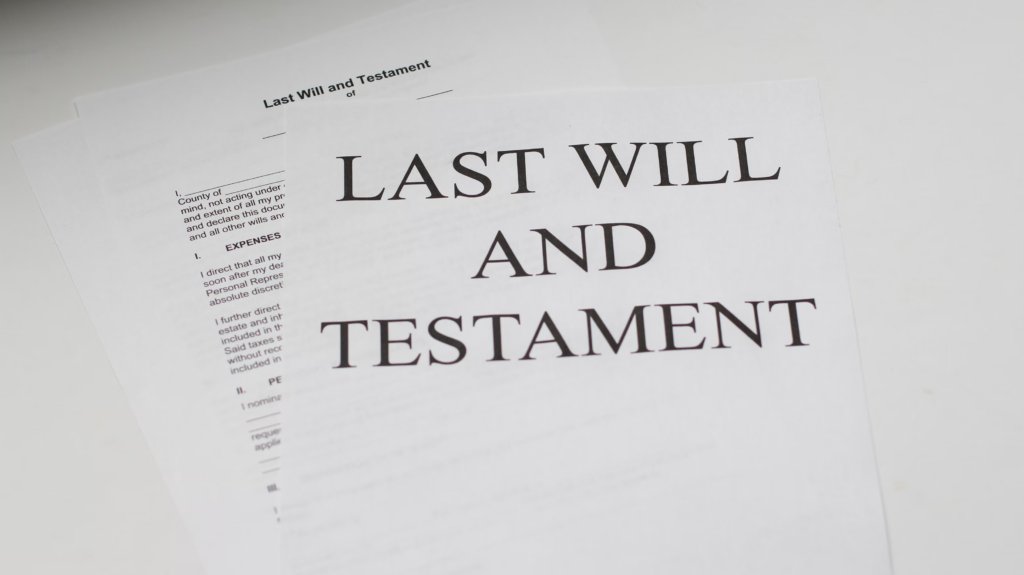
A will is a handwritten or typed document which sets out how you would like your estate to be dealt with after your death. Writing a will is one of the easiest and most important things you can do to protect your family. A will is a very important part of your estate planning. Wills are legally binding documents that give instructions on what happens to your assets and possessions, who should look after your children if you die, and how they should be raised.
Settle Estate in Probate
If you are the executor or administrator of an estate, you’re responsible for settling the deceased’s affairs and distributing the estate assets. Whether the deceased had a will or not, you’ll need to open a probate case with the probate court. If the deceased left a will, you must work quickly because there is a time limit for contesting it. You may be able to avoid probate by transferring assets directly to the deceased’s beneficiaries or heirs. You should discuss this with your lawyer and the executor or administrator of the estate (if appointed).
What is Probate?
Probate is the legal process that allows a deceased person’s property to be distributed according to the terms of their will. If you are named as the executor in a will, probate can be a complicated process to navigate. When a loved one passes away, it can be an emotional and confusing time. It’s important that you understand the process and your options for distributing the assets of your loved one’s estate.
How long does it take settle an estate in probate?
The length of probate administration depends on a number of factors including the size of the estate and the existence of any unforeseen circumstances. The time to settle an estate can vary greatly depending on the probate court and the complexity of the probate case. Simple probate administration can take four to six months, but probate litigation in a contested matter can take between nine and 18 months.
Conclusion
Settling an estate in probate can be difficult, especially if there is no will or if there are multiple heirs. If you are the only heir and there is not much in the way of assets, probate might be easier than you think. The best way to avoid the difficulties when settling an estate in probate is to draft a will correctly. Whether you are the executor of the estate or a family member, dealing with your loved one’s affairs can be stressful. Hopefully, these tips for settling an estate in probate offers some direction.
Do You Need a Probate Attorney to Settle an Estate in Austin, Texas?
Probate attorneys are skilled in estate and trust administration, from the initial delivery of an accurate death certificate to the final distribution of all assets according to the court order. Hire an experienced probate lawyer in the Austin-Round Rock metro area or in the surrounding communities. Contact us on our homepage, and don’t forget to ask about our Free 30-minute probate attorney consultation.
Related Estate Questions
How much does an estate have to be worth to go to probate?
There is no set value and there are other factors that affect how much an estate has to be worth to go to probate. If you are the executor of a deceased person’s estate, the legal responsibility is notifying the court that an estate exists and making sure that it is properly administered.
What is probate court?
Probate, also called settlement of an estate, is the legal process by which a deceased person’s property is administered and distributed. Probate court is a court that has the legal authority to settle the estate of a person who has died. The court oversees the distribution of the deceased person’s property to the beneficiaries named in his or her will.
Where do you file a will?
When a person dies, the executor of their estate (or someone appointed by the court) files a will with the local probate court in the county where they resided. The will is then “probated” which means that it’s validated to be valid. An inventory of assets and debts is prepared, and a petition for distribution of assets may be filed as well. After final tax bills are paid, any remaining estate property is distributed to beneficiaries according to the terms of the will.
An irrevocable trust is a legal arrangement where the creator (settlor) of the trust transfers assets to another person or entity (trustee), while retaining the right to receive income generated by the trust and/or take possession of the trust property at a later date. If you are considering setting up an irrevocable trust, here’s a […]
The making of a will is serious. A valid will dictates who gets your property and when they get it. An invalid will can result in your property passing according to Texas intestacy law. It can also set up an expensive probate dispute. This is why estate planning attorneys take such care in helping clients […]
A will has to be executed with the proper legal formalities. This includes having the terms of the will be in writing and signed by the decedent. There have been a number of disputes as to what counts as a writing and what counts as a signature. The courts have developed a body of case […]
Can a handwritten letter that names an executor and does little else count as a valid will in Texas? The court addresses this in Estate of Silverman, No. 14-18-00256-CV (Tex. App.–Houston [14th Dist.] 2019). Facts & Procedural History The decedent was a forensic psychiatrist. Two years prior to his death, the decedent signed a letter […]